Modern Tooth Removal in McKinney Puts Accuracy and Patient Ease First
McKinney, United States – May 28, 2026 / Illume Dental of McKinney /

Dentists now prioritize comfort, accuracy, and faster recovery while minimizing unnecessary tissue disruption. Patients dealing with damaged, infected, or impacted teeth are seeking tooth extraction procedures that reduce discomfort and improve healing outcomes.
Precision-focused care also helps patients feel more confident about treatment by offering clearer diagnostics, better planning, and a smoother dental experience from consultation through recovery.
How Precision-Focused Tooth Extractions Improve Comfort
Precision-focused tooth extractions improve patient comfort by reducing trauma to surrounding tissues, minimizing procedure time, and supporting faster healing. Modern dental techniques allow dentists to remove teeth with greater accuracy while helping patients experience less swelling, discomfort, and anxiety.
Advanced Imaging Helps Improve Accuracy
Modern dental practices in McKinney often use digital X-rays and advanced imaging technology before performing extractions. These tools help dentists examine tooth positioning, bone structure, nerve pathways, and surrounding tissues in detail.
With accurate imaging, dentists can plan extractions more carefully and avoid unnecessary pressure on nearby teeth and gums. Better planning also lowers the chances of complications during the procedure.
Minimally Invasive Techniques Reduce Discomfort
Precision-focused extractions often involve minimally invasive techniques that preserve healthy tissue whenever possible. Smaller incisions and controlled tooth removal methods can significantly reduce bleeding and inflammation.
Patients appreciate procedures that support a more comfortable experience both during and after treatment. Many modern extraction approaches also shorten chair time and improve recovery.
Sedation and Comfort Options Ease Anxiety
Dental anxiety remains a common concern for many patients facing extractions. Precision-focused care often includes sedation options designed to help patients feel calm and relaxed throughout treatment.
Depending on the procedure and patient needs, dentists may recommend local anesthesia, nitrous oxide, or oral sedation. Patients who feel nervous about treatment may benefit from learning more about available sedation options.
When a Tooth Extraction May Be Necessary
A tooth extraction becomes necessary when a tooth cannot be effectively restored or when keeping it may negatively affect oral health. Dentists carefully evaluate each case before recommending removal.
Severe Tooth Decay
When tooth decay reaches deep into the tooth structure and compromises stability, restorative treatments may no longer be effective. In these situations, removing the tooth may prevent infection from spreading to nearby teeth and gums.
Dentists usually explore treatments like fillings, crowns, or root canals first before recommending extraction.
Advanced Gum Disease
Periodontal disease can damage the bone and tissues supporting teeth. In severe cases, teeth may become loose and unstable. Removing severely affected teeth may help preserve surrounding oral structures and improve long-term oral health management.
Impacted Wisdom Teeth
Wisdom teeth frequently become impacted because they do not have enough space to erupt properly. Impacted teeth may cause pain, swelling, infections, crowding, or damage to neighboring teeth.
Many patients in McKinney seek wisdom tooth extractions to avoid future dental complications.
Broken or Fractured Teeth
Some teeth suffer extensive fractures below the gumline, making restoration impossible. Extraction may become the best solution when the tooth structure cannot support treatment.
Dentists assess the severity of the damage before determining whether removal is necessary. Patients who want more insight into when removal may be appropriate can review information about the true need for tooth removal.
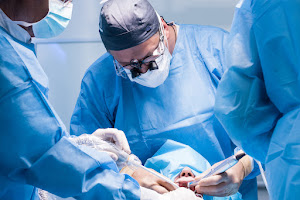 What to Expect During a Modern Tooth Extraction
Modern tooth extraction procedures are designed to be efficient, comfortable, and carefully planned. Patients can expect a detailed evaluation, anesthesia for comfort, and clear aftercare instructions following treatment.
Initial Examination and Planning
Before the extraction, the dentist performs a full examination using digital imaging to evaluate the affected tooth and surrounding structures.
Patients also discuss symptoms, medical history, medications, and sedation preferences during the consultation. This planning stage helps ensure a safer and more predictable procedure.
Numbing and Tooth Removal
Dentists use local anesthesia to numb the treatment area before beginning the extraction. Many patients feel pressure during the procedure but little to no pain.
During the extraction, the dentist gently loosens and removes the tooth using specialized instruments. Precision-focused techniques help minimize damage to surrounding tissues.
In surgical extractions, the dentist may create a small incision to access impacted or difficult-to-remove teeth.
Aftercare and Recovery
After the extraction, patients receive instructions for managing healing at home. Common recommendations may include:
- Using gauze to control bleeding
- Avoiding straws and smoking
- Eating soft foods
- Applying cold compresses
- Taking prescribed medications if necessary
Following aftercare instructions carefully can reduce the risk of complications like dry socket.
Recovery After Precision-Focused Tooth Extraction
Recovery time after a precision-focused tooth extraction varies depending on the complexity of the procedure, overall health, and aftercare habits. Most patients begin feeling better within a few days, while full healing may take several weeks.
The first 24 to 48 hours are important for clot formation and tissue protection. Mild swelling, tenderness, and slight bleeding are common during this period.
Many patients can return to work or normal routines within one to three days after a simple extraction. Surgical extractions may require a slightly longer recovery period.
Proper oral hygiene supports faster healing. Dentists may recommend gentle rinsing and careful brushing around the extraction site after the first day. Patients should avoid disturbing the healing area to prevent complications.
Patients should contact their dentist if they experience severe pain, prolonged bleeding, worsening swelling, fever, or signs of infection.
Discover Patient-Focused Tooth Extraction Care in McKinney
Patients seeking advanced, comfort-driven dental care can turn to Illume Dental of McKinney for precision-focused tooth extraction services tailored to individual needs. The team prioritizes patient comfort, modern technology, and personalized treatment planning to help patients achieve healthier smiles with confidence.
To learn more or schedule a visit, contact our team today.


Contact Information:
Illume Dental of McKinney
5000 Collin McKinney Pkwy #100
McKinney, TX 75070
United States
Eileen Chen
(469) 301-1255
https://dentistmckinneytx.com/