
What Safety Features Are Required on Residential Garage Doors in California?
Hayward, United States – July 3, 2026 / The Garage Door SuperStore /
Hayward, California, July 3, 2026 – The Garage Door Superstore releases updated compliance resources on California’s garage door safety standards as homeowners discover older openers no longer meet state law requirements during replacement projects.
California Garage Door Safety Rules Affect New Installations and Replacements
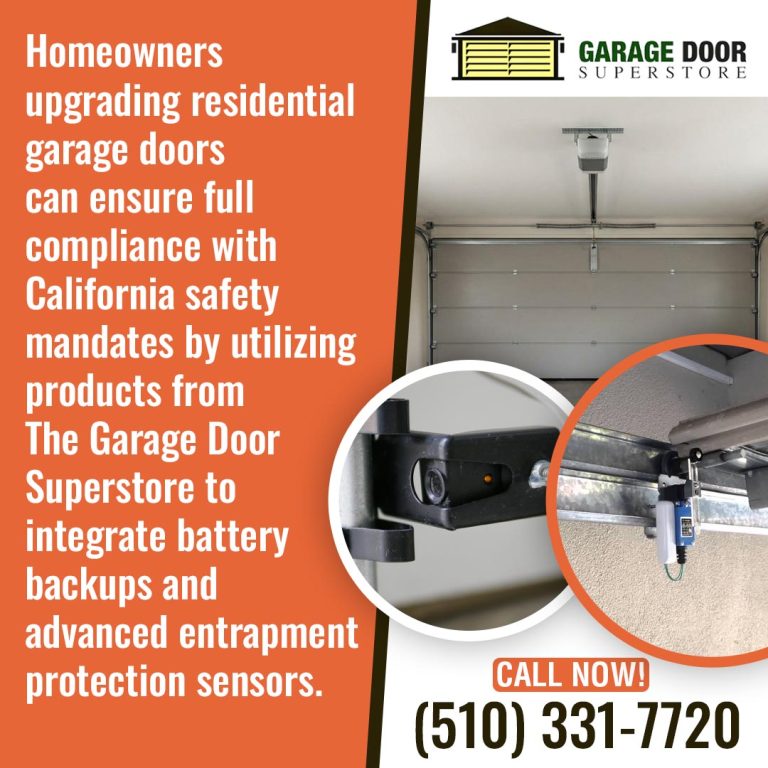
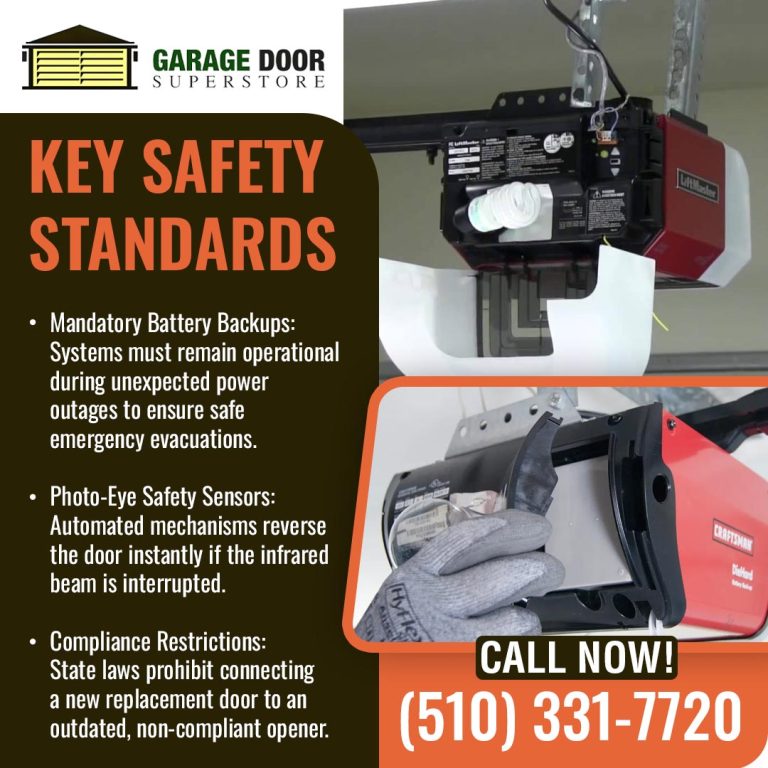
California law requires residential garage door openers to include automatic reverse systems and entrapment protection sensors. The automatic reverse feature causes the door to reverse direction if it encounters an obstruction, while photo-eye sensors stop and reverse the door when an object interrupts the beam across the garage opening.
In addition to these long-standing requirements, California introduced a battery backup mandate through Senate Bill 969. The law took effect on July 1, 2019, and requires all newly sold or installed residential garage door openers to include a battery backup system.
The legislation was enacted following the 2017 Northern California wildfires, during which widespread power outages prevented some residents from opening their garage doors to evacuate.
As homeowners become more aware of these rules, many are visiting a local garage door supply store to compare compliant openers, replacement parts, and complete garage door systems.
Battery Backup Systems Have Become a Standard Feature
Battery backup systems activate automatically when household power is interrupted. They allow garage doors to continue operating during outages and typically support multiple opening and closing cycles before requiring a recharge.
Many homeowners with older garage door systems are unaware that pre-2019 openers may not meet the current law. According to the 2024 American Community Survey analyzed by the National Association of Home Builders, the median age of owner-occupied homes in California is 45 years, meaning most California homes predate both the 1993 entrapment sensor requirement and the 2019 battery backup mandate. In some cases, replacing a garage door may also require upgrading the opener if it lacks the required safety features.
“We see homeowners come in thinking a door swap is a weekend job, then realize their 2005 opener doesn’t meet today’s rules. That’s exactly where we come in,” says Muhammad Salem, Owner of The Garage Door Superstore.
Older Garage Door Systems May Require Additional Upgrades
Replacement projects often reveal equipment that was installed decades ago. While older systems may still operate, they may not include battery backup capability or properly functioning entrapment protection sensors.
California law establishes two distinct requirements that a replacement garage door installation must satisfy. Under HSC §19890, all openers must have entrapment protection sensors, a requirement in effect since January 1, 1993. Under HSC §19892, all new openers sold or installed after July 1, 2019 must include a battery backup system, and a new replacement garage door cannot be connected to any existing opener that fails either requirement. These are separate legal obligations, not a single rule.
This has increased demand for compatible replacement parts and modern garage door systems that meet current standards.
Customers searching for a garage door parts store often look for replacement sensors, springs, batteries, and opener accessories that work with their existing equipment. Others choose to replace the entire system with newer products designed to comply with California regulations.
Safety Sensors Continue to Play an Important Role
Entrapment protection sensors remain one of the most important safety features on residential garage door systems. Installed near the floor on either side of the opening, these sensors create an invisible beam that detects objects in the door’s path.
If the beam is interrupted while the door is closing, the system immediately stops and reverses direction. The technology helps reduce the risk of injuries, vehicle damage, and accidents involving children or pets.
Many homeowners replacing older openers or troubleshooting sensor problems visit a garage door store to identify compatible components and learn more about the latest safety requirements.
Demand for Garage Doors in Hayward, CA, Reflects Interest in Safer Home Upgrades
As more homeowners renovate aging properties, interest in garage doors continues to grow alongside demand for compliant openers and related accessories.
The Garage Door Superstore has observed increased interest in residential doors, battery backup openers, and other garage door supplies that align with California’s current regulations. The company serves homeowners and contractors seeking products for both new construction and replacement projects.
The market for garage doors in Hayward, CA, remains active as residents invest in home improvements and update older garage door systems to meet modern safety standards.
About The Garage Door Superstore
The Garage Door Superstore supplies residential and commercial garage doors, openers, springs, hardware, replacement parts, and custom glass products from its Hayward showroom at 23002 Foley Street. Founded as a locally owned business, the company also operates as a garage door wholesaler serving contractors and dealers throughout the San Francisco Bay Area and Sacramento. The company is known for its in-house capabilities, including custom glass cutting and personalized door modifications for both new construction and replacement projects.
Media Contact
Muhammad Salem
Owner, The Garage Door Superstore
Hayward, CA
Phone: (510) 331-7720
Email: thegdsuperstore@gmail.com
Contact Page: https://thegaragedoorsuperstore.com/contact/


Contact Information:
The Garage Door SuperStore
23002 Foley Street
Hayward, CA 94545
United States
Muhammad Salem
http://thegaragedoorsuperstore.com/
Original Source: https://thegaragedoorsuperstore.com/what-safety-features-are-required-on-residential-garage-doors-in-california/


