
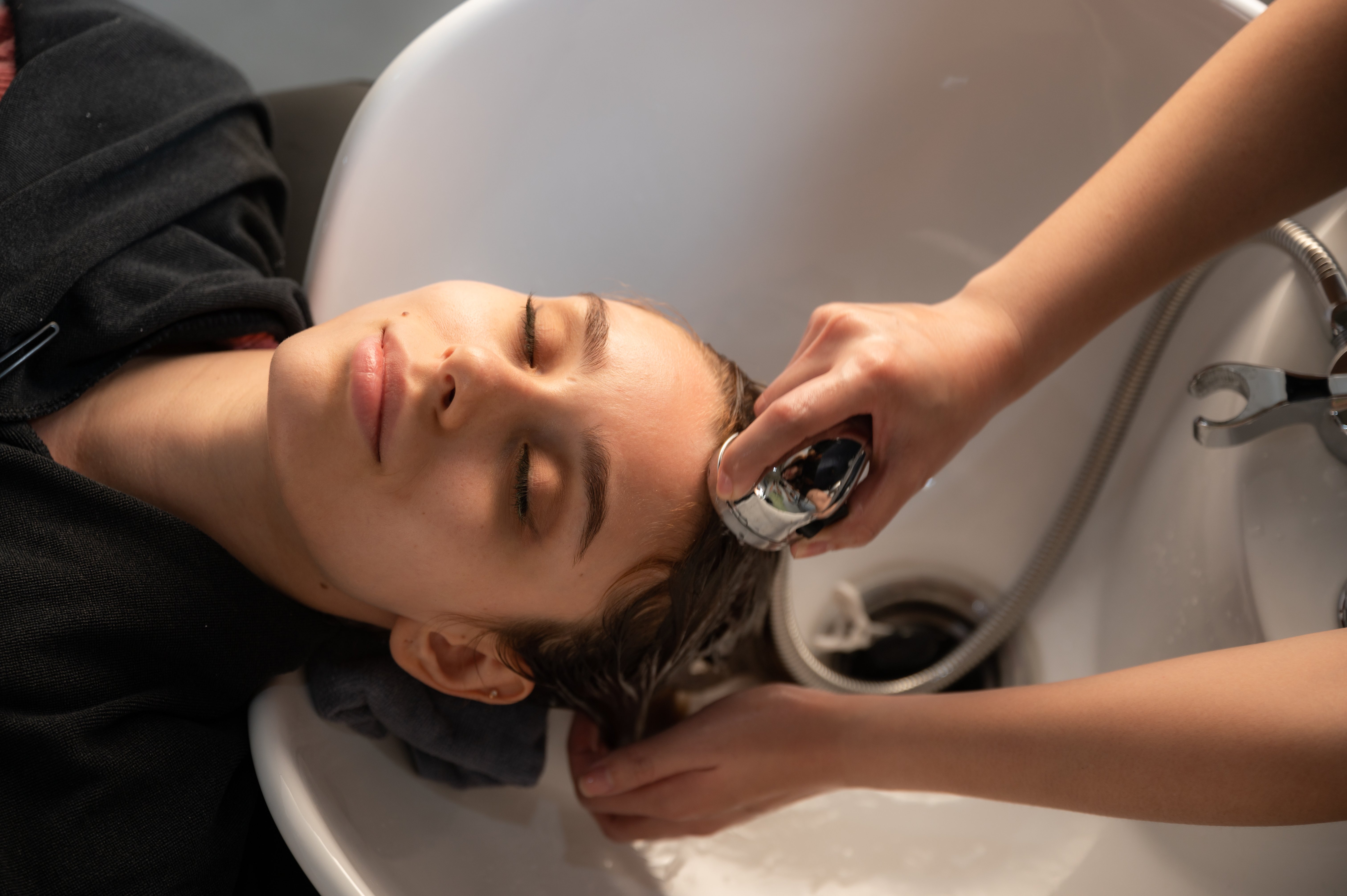
- 78% of new salon clients discover businesses through Instagram or Facebook, making paid social one of the highest-return channels for filling appointment slots.
- Five ad formats consistently drive bookings for salon brands: coupon-led acquisition, service spotlight video, niche audience targeting, new client offers, and loyalty retargeting — each targeting a different stage of the client journey.
- Ad fatigue, poor targeting, and broken landing pages are the three most common reasons salon Facebook ads fail to produce a return, and each is fixable with the right structure.
- Retargeting alone can lift salon bookings by up to 70% — and the setup is simpler than most marketers expect.
Running Facebook ads for a beauty salon sounds straightforward until the budget starts disappearing with nothing to show for it. The difference between campaigns that fill appointment books and ones that burn through spend usually isn’t the budget — it’s the format. The right creative structure, matched to the right audience at the right stage of their journey, is what turns impressions into confirmed bookings.
78% of New Salon Clients Discover Businesses via Instagram or Facebook
Approximately 78% of salon clients discover new salons through social media platforms like Instagram or Facebook. That figure alone explains why paid social has become the default acquisition channel for salon brands of every size — from independent stylists to national chains. The audience is already there, already scrolling, and already open to discovering their next salon.
What that statistic doesn’t tell you is how those clients are being won. Discovery happens fast. A scroll stops, a result catches the eye, and a decision is made in seconds. That means the quality of the ad — the hook, the visual, the offer — determines whether that 78% ever becomes a client of your salon or someone else’s.
Why Most Salon Facebook Ads Fail
Ad Fatigue Rapidly Diminishes Results and Drives Up Costs
Ad fatigue occurs when the same audience sees the same creative too many times. Engagement drops, click-through rates fall, and Facebook’s algorithm responds by raising the cost to reach that audience. For salon campaigns running to tight local geographies — where the addressable audience is already small — fatigue sets in faster than most advertisers expect.
Monitoring frequency data (the average number of times a single person has seen the ad) is the clearest early warning sign. When frequency climbs past three or four within a short window, performance typically starts to deteriorate. Refreshing ad creatives every seven to fourteen days, or making meaningful visual and copy changes on that same cycle, is a widely recommended practice for keeping engagement from collapsing.
Targeting Too Broad or Too Narrow, Ad Rejections, and Broken Landing Pages
Broad targeting wastes budget on people who will never book. Overly narrow targeting starves the algorithm of data and stalls delivery. Salons often default to one extreme or the other — running a single campaign to “women 18-65 within 10 miles” or attempting to layer so many interest signals that the audience size drops below what Meta needs to optimize effectively.
The beauty industry also carries a higher-than-average rate of ad rejections on Meta. Copy that references physical appearance in certain ways, or before-and-after imagery with certain framing, can trigger automated disapprovals. Knowing which creative choices consistently pass review — and which ones don’t — saves time and prevents campaigns from stalling mid-flight.
Then there’s the landing page problem. A high-intent click that lands on a homepage, rather than a dedicated booking or offer page that mirrors the ad, loses a significant portion of conversions before they complete. Every step between the ad click and the confirmed booking is a place where a potential client can leave. The path needs to be short, mobile-optimized, and directly connected to whatever the ad promised.
5 Proven Salon Facebook Ad Formats That Fill Appointments
1. The Coupon-Led Acquisition Ad (Great Clips)
Great Clips runs Facebook ads built around a single, clean offer: a discounted haircut with a fast redemption path. The creative is minimal. The headline leads with a price point or saving. The click goes directly to a booking page or digital coupon. There’s no lifestyle photography, no lengthy copy, and no secondary message competing for attention.
This format works because it removes friction at every step. The offer is understood in under two seconds, and the CTA gives the viewer exactly one thing to do. Great Clips has paired this structure with seasonal tie-ins — a March Madness promotion with a “$12.99 haircut” headline and a “Get Offer” button, for example — which adds urgency without complicating the message.
2. The Service Spotlight Video Ad (Drybar)
Drybar’s Facebook video ads focus on a single service — typically their signature blowout — filmed inside their recognizable yellow-and-white branded environment. The video runs under 30 seconds and opens on the finished look rather than the beginning of the styling process. That one sequencing decision is what drives performance.
Facebook users scroll fast. An ad that leads with the outcome — a polished, completed style — captures attention before the viewer moves on. Because the ad focuses on one service, it speaks directly to viewers who already want that result, which means fewer unqualified clicks and higher intent among those who do engage.
Salons don’t need a full production setup to replicate this structure. A phone camera, a ring light, and a 20-to-25-second clip of a completed service can follow the same format. The sequence matters most: result first, brief process second, booking CTA at the end. Keeping the focus on a single service also removes price objections — a viewer who wants exactly that outcome is less likely to comparison-shop on cost.
3. The Niche Audience Targeting Ad (Sport Clips)
Sport Clips runs Facebook ads designed around tight demographic targeting rather than creative complexity. The ads feature sports imagery, short copy, and a direct booking CTA. The goal is not to reach the widest possible audience — it’s to speak directly to men who want a fast, sports-themed haircut experience. The ad signals clearly who it’s for, and viewers self-select quickly.
That clarity produces better click quality and a lower cost per booking. Most salon ads attempt to reach a broad audience, which dilutes the message and raises acquisition costs. Sport Clips demonstrates that a narrower, more specific campaign outperforms a general one on efficiency — not just for a male-focused salon, but as a structural principle.
The same logic applies to any defined niche. A salon specializing in color correction, keratin treatments, or natural hair care should build separate campaigns for each audience segment — each with its own creative, targeting, and offer — rather than running one ad set trying to cover all of them. Separate campaigns allow for more relevant messaging and give the algorithm a cleaner signal for optimization.
4. The New Client Offer Ad (Supercuts)
Supercuts runs Facebook ads targeting people who have not yet visited one of their locations. The offer is specific — a flat rate or a percentage off a first visit — and the copy stays short. What separates this from a standard discount ad is the audience segmentation behind it.
Supercuts excludes existing clients from seeing the offer, keeping spend focused entirely on acquisition rather than discounting visits that would have happened anyway. That single targeting decision measurably improves return on ad spend by directing budget toward people who have the most to gain from the incentive.
Setting this up requires creating an exclusion audience from a current client or email list — a process that takes under an hour in Meta Ads Manager. Once in place, the campaign becomes more efficient from day one. Salons running acquisition campaigns should measure cost per first booking, not cost per click, to stay aligned with actual business outcomes and know when a campaign is truly working.
5. The Loyalty Upsell Retargeting Ad (Ulta Beauty Salon)
Ulta runs Facebook ads that connect in-store salon services to their loyalty program. The ad targets existing Ultamate Rewards members and leads with the points-earning benefit tied to a salon booking — surfacing a service the viewer may not know is available. No discount is required. The loyalty benefit itself serves as the offer.
This format works because the audience already trusts the brand. The ad doesn’t need to build credibility or overcome objections. It only needs to surface a service the viewer hasn’t tried yet, and for loyalty members motivated by rewards, that reminder is often enough to prompt a booking.
Salons with any form of loyalty program, gift card system, or reward milestone can adapt this format. It also works as part of a broader re-engagement sequence: if a client hasn’t booked in 60 or 90 days, a retargeting ad built around a loyalty reminder or unredeemed reward can bring them back at a fraction of the cost of acquiring a new client. Protecting margin — rather than relying on discounts to drive retention — is one of the more overlooked advantages of this ad type.
Retargeting Alone Can Lift Bookings by Up to 70%
Retargeting is the practice of serving ads specifically to people who have already interacted with a salon’s website, social profiles, or past ads. These audiences convert at a significantly higher rate than cold traffic because the trust barrier is lower — they’ve already shown interest. Reports indicate that implementing retargeting can lift salon booking rates by up to 70%, a number that reflects the gap between intent and conversion that most acquisition-only campaigns leave on the table.
Building an Exclusion Audience for Acquisition Campaigns
One of the highest-return moves in any salon Facebook strategy is building a proper exclusion audience before launching an acquisition campaign. By uploading a current client email list to Meta as a custom audience and excluding it from new-client campaigns, ad spend stops going toward people who would have booked anyway.
The practical impact is a lower cost per first booking from the moment the campaign goes live. It also keeps messaging clean — existing clients don’t see new-client offers that feel misaligned or, worse, feel like they’re being undervalued. This setup takes under an hour in Meta Ads Manager and pays for itself quickly in recovered spend efficiency.
Re-Engaging Lapsed Clients Without Deep Discounts
A client who booked six months ago and went quiet is significantly easier to re-convert than a cold prospect. They already know the salon, already trust the quality, and already have a reference point for the experience. What they often need is a well-timed reminder — not necessarily a steep discount.
Retargeting ads built around a loyalty milestone, an unredeemed reward, or a service they haven’t tried before can re-engage lapsed clients with an offer that feels personal rather than promotional. This protects margin while still providing an incentive. A 60- or 90-day lapse window is a practical trigger: any client who hasn’t booked within that period becomes eligible for a re-engagement sequence, keeping the audience fresh and the messaging relevant.
Stop Guessing — Your Next Winning Salon Ad Already Exists
Every booking-focused ad format covered here — coupon-led acquisition, service spotlight video, niche audience targeting, new client offers, loyalty retargeting — has already been tested at scale by salon brands with the budgets to run exhaustive experiments. The results are visible in their ad libraries. The hooks are replicable. The structures are adaptable to any salon, regardless of size or market.
The gap between salons that consistently fill appointments through Facebook and those that burn budget without results almost always comes down to one thing: whether the campaign is built on proven structure or built on guesswork.
The next step is identifying which of these formats fits a specific salon’s acquisition goals, building the exclusion and retargeting audiences, and finding which competitor creatives are already proving the concept in the local market. The formats exist. The data exists. The only remaining variable is execution.
GetHookd LLC
40 SW 13th street
902
Miami
Florida
33130
United States


